Funeral Directors Should Not Cry
Adrienne Kloecker • February 11, 2020
A Lesson Learned From Mortuary School
I am about to get personal. I know. I know. It’s only blog number three, but this topic is something I deal with on a regular basis as a funeral director.
I will never forget the day one of my teachers at mortuary school stated to the entire class, “Funeral directors should not cry. They need to be professional and crying is not professional.” Wow. I couldn’t believe it. I was fuming in my chair. For days, I couldn’t look at this teacher without thinking about what he had said. How can you tell a class of thirty or so young adults that they are not allowed to cry in this profession. Who are you to say that we are not allowed to show emotion. Obviously, a funeral director should not be wailing and causing a scene, but I can’t tell you how many times I tear up during a funeral.
Every family that I take care of receives my full attention. I make sure to take care of the little details that a family may have mentioned in the arrangement. Through conversations with family and friends, I get to know the person who passed away without even knowing him or her personally. I develop a real connection with the family members, and when one of them heads to the podium up for the eulogy, I can’t help but get emotional with them.
This past year, I helped four young women, all around the same age as myself, arrange their Father’s funeral. Earlier that year, I actually had many encounters with this man. Our funeral home was donating towards a local neighborhood park that this man was caring for. I was already feeling emotional hearing the news of his passing, and then I met with his four daughters. It was an emotional week, trying to make sure everything was absolutely perfect for this family. The funeral home was packed all night long and everyone was staying for the service. I couldn’t fit enough chairs into the parlor to accommodate the amount of people. Every person had some story about his generosity and how caring he was towards everyone he met. He was just a guy you wanted to be around. All four of his daughters wrote about their Father, a relative read each story out loud during the service. There was not a dry eye in the place. At the end, I had to wipe away my tears, stand up, and close the service, inviting people to say their final goodbyes.
When I walked out of the room, I started thinking to myself, Adrienne pull it together. I couldn’t stop tearing up. When I look back on it, part of the sadness came from thinking, “What if that was my Father?” I walked down the hall and a couple of my family members, who were very close with this man, gave me a hug. Obviously, I kept crying. All of a sudden, one of the daughters walks up to me to ask a question, she realizes that I am crying and gives me a hug. Oh my gosh, I was so embarrassed. The daughter who was grieving had to console me? Really? Well, since that funeral, I have come to realize that it is OKAY TO CRY.
I am human just like everyone else, I will not be desensitized by this profession. There are days that are easier than others, but I know, when someone calls on our funeral home, we will do everything in our power to lighten the burden and ease some of the stress that death can cause. And yes, I might cry while doing it!
Bringing a New Face to the Funeral Business,
Adrienne Kloecker

Starting the end of life conversation with a parent is hard. Adrienne Kloecker Kalivoda shares how to have this talk without waiting until it is too late.

Not sure what happens at a funeral arrangement meeting? Adrienne Kloecker walks you through exactly what to expect, step by step, so you can walk in prepared.
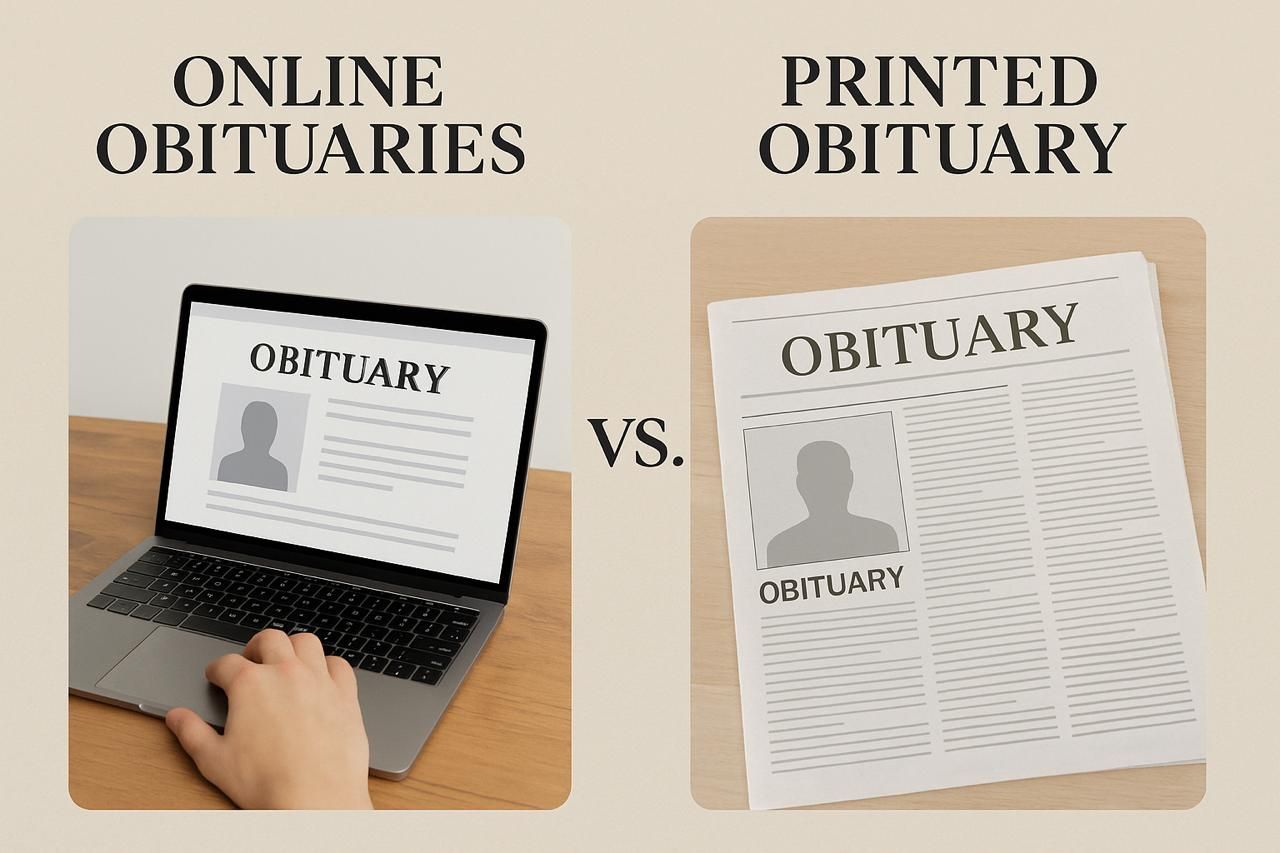
Has the digital age "buried" the traditional printed obituary?

It’s a moment so many of us face — one that’s heavy with emotion, worry, and love. Trust me, I've been there, it wasn't my mother but I was personally responsible for a woman. That first drive away from the nursing home is full of mixed emotions. Relief - because you finally found a place you feel comfortable leaving your loved one. Disappointed - because you feel like you have given up on them. Financially Burdened - because you know this is going to cost money. It is a hard turning point. And after the dust settles, another question quietly rises: “What happens next?” For a lot of families I talk to, this is when they begin thinking about planning ahead — not because they want to, but because they know they need to. I’ve sat at the table with sons and daughters just like you — people in their 50s, 60s, sometimes even younger — who suddenly find themselves facing decisions they never expected to make this soon. Let me walk you through what I often tell them. ⸻ You Don’t Have to Make All the Decisions Today First, take a breath. Pre-arranging a funeral isn’t about locking everything in right now. It’s about easing the burden later — for both you and your family. Making even some basic choices now — like whether your mom prefers burial or cremation, or if she wants a service — making these decisions can make a difference when the time comes. ⸻ Start With a Conversation This might sound hard, but one of the best gifts you can give your loved one is a chance to have a voice in what happens. Even if she doesn’t want to talk details, just asking “Is there anything you want when the time comes?” opens the door. You don’t have to talk about caskets or music — just values. Does she want something simple? Religious? Family-focused? You’d be surprised how many people feel relieved just to be asked. ⸻ Pre-Planning Is Flexible — and It Moves With You One of the biggest concerns I hear is: “What if we make pre-arrangements and something changes?” That’s a fair question — and the good news is, most plans are flexible. If your mom moves to another city or state, or if your family changes its mind about the details, pre-arrangements can be transferred or adjusted. The point of planning ahead isn’t to lock you in — it’s to give you options and ease, no matter where life leads. ⸻ You’re Not Alone in This If you’re reading this, chances are you’ve got a lot on your shoulders. I just want you to know: you don’t have to carry it all by yourself. When families come to me, I listen. I learn about their loved one. I answer questions with honesty and heart. I’ve been through this personally — and I bring that experience to every conversation I have. So whether you’re ready to sit down and make arrangements or you just need someone to talk through the “what-ifs,” I’m here. ⸻ Let’s make this next step a little easier, together. 📞 Feel free to call or stop in anytime. I’m happy to sit down, no pressure, and help you start the conversation — at your pace, in your time.

Happy New Year to all! 2024 marks my fourth year of providing meaningful blogs through “A New Face to the Funeral Business.” Every year I make it a goal to write more blogs than I did the year before, but usually life gets busy. For example, birthing another child and some more or less exciting obstacles get in the way. However, as I look back and see the blogs written in the past, I realize that I was prompted by an experience that I just HAD to share. I find that sharing experiences is much more meaningful than giving lessons, how to’s, and tips on funeral services. A few months ago, Francis and I had the pleasure of welcoming a group of Seminarians from St. Mark’s Seminary in Erie for a “Day in the life” and tour of the funeral home. When Fr. Renne, Associate Director of Seminarians, asked Francis and I to talk to the seminarians, my initial reaction was what on earth do you want us to talk about? The more I thought about the opportunity to sit down with future priests, the more I thought, you know what—I bet they have never heard the funeral director’s side of what makes a meaningful funeral. Of course the traditions, the symbols used during the Mass, the participation of family members during the service, etc. all play a huge role in making a meaningful funeral, but why is all of that important? What are families really looking for in a funeral service? People love to use the phrase a “Celebration of Life.” Of course that is the preferred way to say funeral—the very nature of the words make the “event” less sad. Some definitions of “Celebration of Life” describe it as a primary focus on the life that the loved one lived. Some say it’s less rooted in tradition and focuses on celebrating the life. Most people think that a Celebration of Life and a Funeral are two different events. Let’s be honest, whenever a gathering occurs and the purpose of the gathering is to remember and honor a person who passed away, that event is going to be sad. That is the point of a funeral. A funeral is a safe place to have those feelings, to cry, to mourn the death, to be with family and friends, to tell stories, to laugh, and then to cry again. It is necessary for families to have a funeral, but it does not look the same for every family, and that is okay. There are plenty of families that want visiting hours and a service at the funeral home instead of at a church. There are families who would prefer having more of a party style “Celebration of Life” at a restaurant or bar. Some want a combination of both. No matter what, there is a need to hold some sort of an event for the specific purpose of remembering the person who died. When a family goes without having any funeral, that grieving process is lengthened. When a funeral is planned, the community is made aware of the loss and they have an opportunity to come and pay their respects, or at least send a card or message to the family. If no funeral occurs, the community, friends, and even distant relatives end up “paying their respects” the first time they see the family. This makes the funeral occur in any moment, in any location, and most times becomes an awkward conversation at a grocery store. Again, without a funeral of any kind, the grieving process is prolonged. I believe that one of our strengths at Kloecker Funeral Home is that we are not sales people. We don’t have a thirty slide presentation for the family to sit through during their darkest time. We listen to the family first and foremost. Then we try to create a funeral that is meaningful to that specific family. We don’t push merchandise. We try to make this process easier for the family while giving them space to grieve in their own way. To wrap up my seminarian story, I made sure to tell the seminarians that family participation is key, listening and really putting in effort to talk to the family goes a long way, and then incorporating that information into the funeral makes a world of a difference. There are many priests, pastors, and ministers already creating beautiful funeral services in the Erie Community, but there is always room for more discussion and hearing the needs of families. God Bless, Adrienne (Kloecker) Kalivoda Bringing A New Face to the Funeral Business

PSA on Middleman Cremation Businesses

One Stop Shop for Veterans Burial Benefits
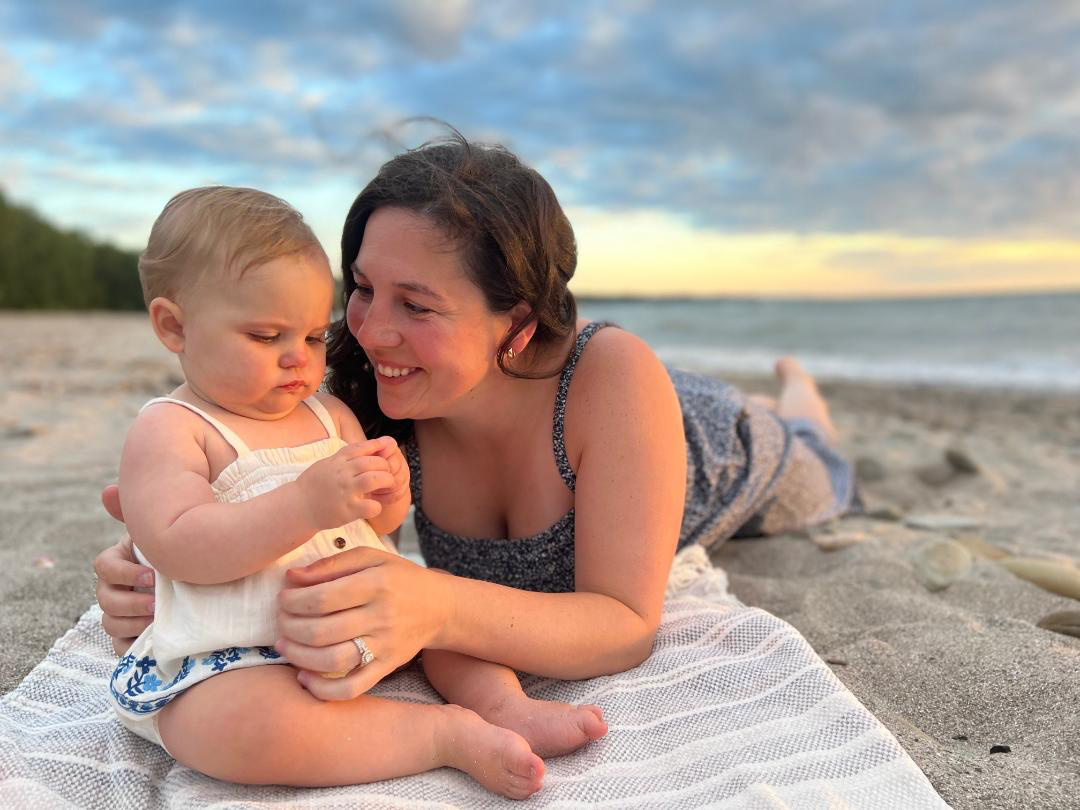
Two in One: A Funeral Director and A Mother

The Purpose of Writing an Obituary
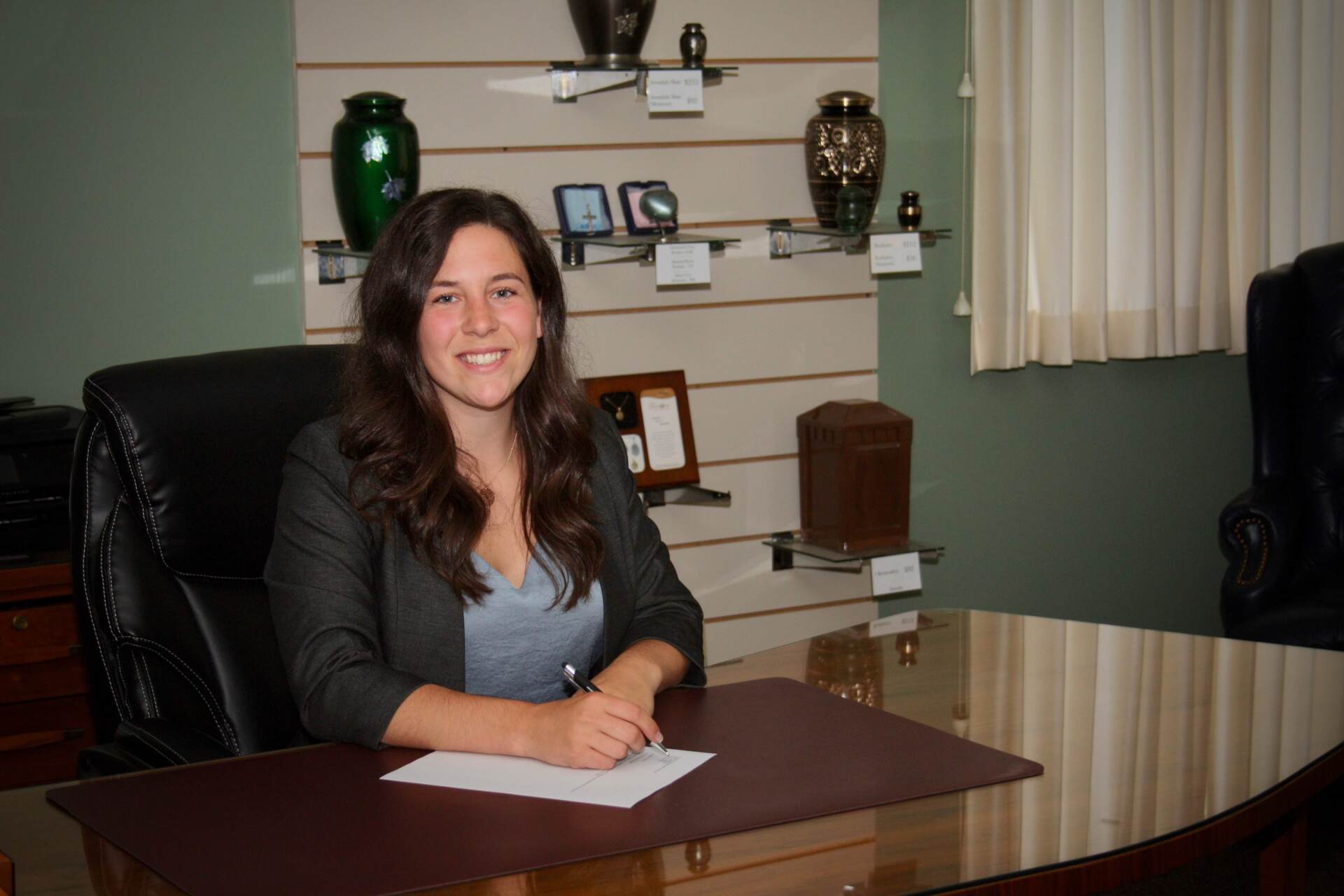
I have been a funeral director for almost four years now. It still amazes me when a family comes in after their mother or father passed away, and they have no idea what the deceased wanted for a funeral. Usually that family also has trouble finding which bank their parents used, whether or not they had a life insurance policy, if they had a cemetery plot, etc. I think the problem is that the funeral industry is looked at as a cold, scary place. It is hard to think about what is going to happen after you die and for some people, it is a scary process to make pre-arrangements. For that reason, I want to walk you through a typical pre-arrangement and hopefully by the end of this blog you will feel more prepared and a little more at ease when it comes to making that first appointment. Gathering of Information The primary purpose of making pre-arrangements is to get all of your information down. There are plenty of times that a family comes in after a loved one has passed away and they can’t find the social security number or they don’t know if the person earned their associates degree or bachelors degree. When we sit down for a pre-arrangement, the first part is getting the vital information. This information includes: full name, social security number, address, date of birth, place of birth, highest level of education, father’s name, mother’s name including her maiden name, occupation, veterans information, spouses information, and next of kin. As you can see, most of that information is easy to write down for yourself, but could you answer all of those questions about your mother or father? Would you know all of that off the top of your head? Most people have to dig through paperwork or make a few phone calls in order to find that info, which is why gathering that ahead of time is a huge relief for your family. Planning The Funeral The next segment of a pre-arrangement is the part people get nervous about. I usually start with, “Now that we have all of the information down, let’s talk about your funeral. What do you envision happening after you pass away?” Some people have a general idea of what type of funeral they would like, some lay out every detail of the funeral, and some give me a blank stare. For the people who haven’t thought much about their own funeral, I start to prompt with questions such as: Do you want to have visiting hours with the casket open? Do you want to have a church service or a service at the funeral home? Is cremation something you have thought about? What is going to happen with your remains after the services? is there a burial, scattering, or is a family member going to take your cremains home? These questions give me a sense of direction in order to get to the details of what type of services the person wants. At this point, we have the backbone of what the funeral is going to entail, and that alone will relieve stress for the family when the time comes. There are plenty of people who will stop at this point and say that their family can choose the rest of the details. That is completely okay, but I will say that the more details you have down, the more your family can focus on each other and taking care of their own feelings rather than worrying about getting all the arrangements finalized. Some extra details that can be beneficial to have down in your pre-arrangements are as follows: Type of casket/color of casket Type of vault Type of urn Writing an obituary template Choosing a prayer for the prayer card Picking songs and readings for the service Picking the types of flowers you prefer Choosing an outfit Suggesting a memorial to make donations Purchasing the burial plot Putting extra money away for the luncheon Pre-Payment Options The final step of making a pre-arrangement is going over the price of all the chosen funeral goods and services. I walk you through each price on the list and give you a total price of the funeral. At this point I answer any questions and make changes if necessary. I never pressure anyone to pre-pay for a funeral, but I do want the person to think about how their family would pay for these services at the time of death. If you have life insurance, I typically will write down the company and policy number in our file so that your family doesn’t have to search for that information later. At the time of death, life-insurance assignments can be made to the funeral home in order to pay for the funeral. I will also walk through the benefits of pre-paying for a funeral. At this moment, we have two options for pre-paying a funeral. The first is through a trust at Northwest Bank. Checks that are written for a pre-arrangement are sent to Northwest Bank and placed into an irrevocable funeral trust. This means that no one is able to take that money out until the time of death, we cannot touch it, the government cannot touch it, nursing homes cannot touch it, and other family members cannot touch it. The other option is through Loyal Christian Benefits Association (LCBA). This method of pre-payment is through an insurance company. Depending on your age, health, and personal preference we can place the money into an annuity or a life insurance policy. This option also allows payments to be made over time and LCBA products are irrevocably assigned to the funeral home which has the same benefits as the irrevocable funeral trust. There aren’t too many funeral homes that still guarantee the funeral when it is pre-paid, but we still honor that policy. Let’s say that the funeral was $10,000 and you wrote a check for that amount. As time goes on, inflation will increase the price of that same funeral. Guaranteeing the funeral means that we are hoping that the interest that is generated from the trust will cover inflation over time. Let’s say that the amount in the trust at the time of death does not cover the funeral, we will never ask the family for more money, we take the loss. Now, if the family at the time of death makes changes, such as adding a limo or something that was not on the original contract, that would be the only time we ask the family for additional money. Like I said, pre-payment is not a necessary step to making pre-arrangements, but it is definitely beneficial for the family. Taking That First Step My hope is that while reading this blog, you have become a little less hesitant when it comes to making your own pre-arrangements. Typically the entire meeting does not last more than an hour and if it goes longer, it’s because we are chitchatting about something happening in life. I cannot emphasize it enough, putting your information down and giving your family some sort of direction is so important. Even by the end of this, if you are still uncomfortable meeting face-to-face for whatever reason, I would be more than happy to gather information through email, over the phone, or I can send you a pre-arrangement packet that allows you to write down all of the information on your own time. I am always here to help. Contact information: Adrienne Kloecker-Kalivoda Cell: 814-431-3492 Office: 814-454-0156 Email: akloecker11@yahoo.com God Bless and Stay Safe, Adrienne Kloecker-Kalivoda Bringing a New Face to the Funeral Business